
Replacing Floors in a Florida Home: What Homeowners Should Budget and Plan For
- giowoodfloors
- Jan 9
- 9 min read


What Makes Flooring Projects Different in Florida
Replacing floors in a Florida home comes with a few extra considerations that homeowners in other parts of the country rarely have to think about. Between year-round humidity, concrete slab foundations, and the way moisture behaves indoors, flooring projects here need a little more planning to avoid headaches down the road.
That doesn’t mean replacing your floors has to be complicated or stressful. It just means the process looks different than it might in a colder or drier climate. Choosing the right materials, accounting for moisture, and understanding how Florida homes are built all play a role in how your new floors perform over time.
The good news? When these factors are addressed upfront, floor replacements tend to go smoothly. A clear plan, realistic budget expectations, and guidance from professionals who understand Florida homes can prevent surprises and help you feel confident every step of the way.

What Impacts the Cost of Replacing Floors in Florida
When homeowners start planning a floor replacement, the first question is almost always about cost. In Florida, pricing isn’t just about square footage. The materials you choose and the prep work required for your home play a major role in the final investment.
Type of Flooring You Choose
Your flooring selection affects both material costs and the amount of labor involved during installation.
Hardwood flooring is often chosen for its timeless look and long-term value. Because it’s a natural material, it typically requires careful acclimation and precise installation, especially in Florida’s climate. That added attention can influence labor time, but many homeowners see it as a worthwhile investment for the finished result.
Engineered flooring offers more flexibility when it comes to installation, particularly in homes built on concrete slabs. Its layered construction can help manage moisture and movement, which may reduce certain prep steps depending on the space. Installation methods can vary, which sometimes helps keep labor more efficient.
Laminate flooring is usually the most budget-friendly option upfront. It installs relatively quickly and often requires less intensive preparation. While it doesn’t offer the same refinishing potential as wood products, it can be a practical choice for homeowners looking to update their floors without stretching the budget.
Beyond the material itself, each option comes with different requirements for subfloor prep, moisture protection, and installation technique. These behind-the-scenes steps are a big part of what determines overall cost and long-term performance — especially in Florida homes.
Existing Floor Removal
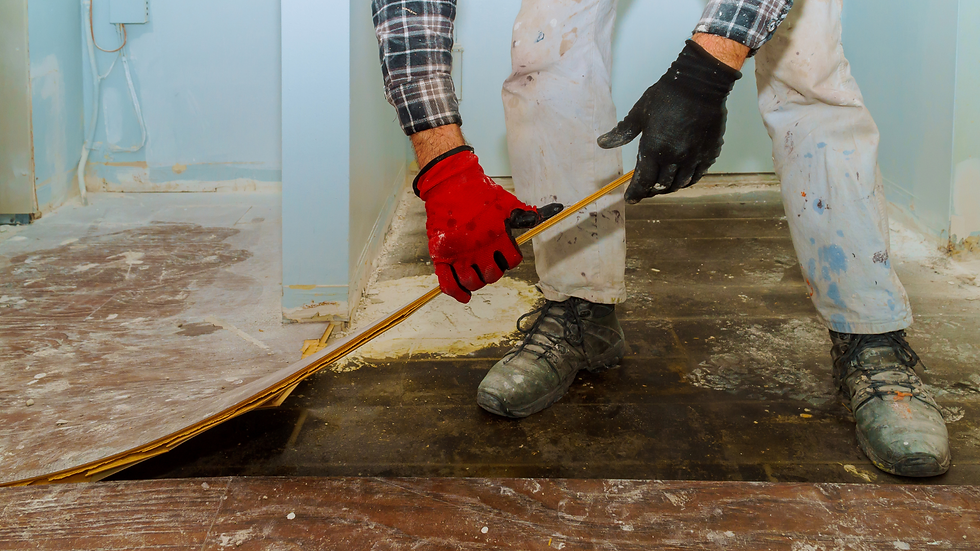
One of the most commonly overlooked parts of a flooring budget is removing what’s already there. It’s easy to focus on the new floors, but the type of existing flooring can significantly impact both labor and timeline.
Carpet removal is usually the quickest and most straightforward. In many cases, it involves pulling up carpet and padding, removing tack strips, and cleaning the subfloor. While it’s often less expensive than other types of removal, it still takes time and proper disposal.
Tile removal is more labor-intensive. Tile, thinset, and grout are designed to last, which means removing them requires specialized tools and careful work. The process can be noisy and dusty, and it often reveals subfloor issues that need to be addressed before new flooring can be installed.
Glued-down flooring can be one of the most time-consuming materials to remove. Adhesives used in older installations are especially stubborn and may require grinding or scraping to create a clean, level surface. This extra labor is a common reason flooring budgets increase once a project begins.
Because removal happens early in the process, it’s often underestimated or skipped entirely during initial planning. Accounting for it upfront helps avoid delays and surprise costs later on.
Subfloor Condition and Prep
Once the old flooring is removed, the condition of the subfloor becomes clear — and in Florida homes, this step is especially important. Many houses are built on concrete slabs, which can develop uneven areas, cracks, or moisture-related issues over time. Industry standards from the National Wood Flooring Association emphasize the importance of proper acclimation and subfloor preparation before installing wood flooring.
Uneven slabs are common and can affect how new floors sit and perform. Self-leveling products are often used to smooth out low spots and create a flat surface that supports proper installation. While this adds to the scope of work, it plays a major role in how the finished floors look and feel.
Moisture management is another key factor. Moisture barriers and proper sealing help protect flooring materials from long-term damage, especially in Florida’s humid environment. These steps aren’t always visible once the job is done, but they make a big difference in durability and performance.
Subfloor prep may not be the most exciting part of a flooring project, but it’s one of the
most important. Addressing these conditions before installation helps prevent movement, gaps, and premature wear — ensuring your new floors hold up the way they should.

Florida-Specific Factors Homeowners Should Plan For
Replacing floors in Florida comes with a few unique considerations that don’t always apply in other parts of the country. Planning for these factors ahead of time can make a big difference in both the installation process and how your floors perform long term.
Humidity and moisture control are at the top of the list. Florida’s climate means higher indoor humidity levels year-round, even in air-conditioned homes. Proper moisture testing, vapor barriers, and installation methods help protect flooring materials from issues like expansion, movement, or long-term wear. Maintaining proper indoor humidity levels is an important part of protecting flooring materials over time, especially in Florida’s climate, according to guidance from the U.S. Environmental Protection Agency.
Slab foundations versus raised homes also play a role. Many Florida homes are built on concrete slabs, which behave differently than wood subfloors. Slabs can hold moisture and may require additional prep before new flooring goes down. Raised homes, on the other hand, may allow for different installation methods but still need careful inspection to ensure stability and level surfaces.
Acclimation time is another step homeowners don’t always expect. Wood and wood-based flooring products need time to adjust to the home’s temperature and humidity before installation. Rushing this process can lead to problems later, so it’s an important part of proper planning.
Seasonal timing matters too. Florida’s rainy season can affect scheduling, drying times, and installation timelines. Homes that are occupied during the project may also need extra planning to minimize disruption and keep spaces usable.

Average Budget Ranges (What Homeowners Should Expect)
When homeowners start researching floor replacement costs, it’s common to see wide price ranges online. That’s because flooring projects can vary significantly based on materials, prep work, and the condition of the home. In Florida especially, it’s more helpful to think in terms of project scope rather than a single price per square foot.
Entry-level projects typically focus on straightforward installations with minimal prep. These might include replacing carpet or floating flooring over a relatively clean, level subfloor. The process is usually quicker, with fewer variables, which helps keep overall costs lower.
Mid-range projects often involve upgraded materials, more detailed installation, or moderate subfloor prep. This could include removing tile, adding moisture protection, or addressing uneven areas in a slab. These projects strike a balance between aesthetics, performance, and long-term value.
Higher-end projects usually involve premium materials, custom details, or more complex prep work. Extended acclimation time, extensive self-leveling, stair upgrades, or trim replacement can all add to the scope. These projects tend to require more labor and planning, but they’re also tailored to the home’s specific needs.
One reason online “per square foot” pricing can be misleading is that it rarely accounts for removal, prep, or site conditions. Two homes with the same square footage can have very different requirements once demolition begins.
Unexpected costs most often come from what’s uncovered during removal — uneven subfloors, moisture concerns, or repairs that weren’t visible beforehand.
For a more accurate estimate, it helps to talk with a local flooring contractor who understands Florida homes, slab foundations, and moisture conditions. A professional evaluation can clarify what your space actually needs and help you plan your budget with confidence.

Additional Costs People Forget to Budget For
Even with careful planning, there are a few line items that homeowners often don’t think about until the project is already underway. Accounting for these details ahead of time can help prevent last-minute decisions or unexpected costs.
Baseboards and trim are a common example. In some cases, existing baseboards can be removed and reinstalled, but older trim may crack during removal or no longer fit cleanly once new flooring is installed. Many homeowners choose to replace or upgrade trim at this stage to get a finished, polished look.
Stair treads and risers are another area that’s frequently overlooked. If your flooring project includes stairs or transitions between levels, matching the stairs to the new floors can significantly impact the overall appearance. Updating treads or risers isn’t always required, but it’s often considered once the old flooring is removed.
Transitions and thresholds also play an important role. Doorways, room-to-room transitions, and changes in floor height all need proper finishing. These pieces are small but essential, and they add both function and visual continuity throughout the home.
Repairs discovered during demolition are sometimes unavoidable. Once old flooring is removed, issues like uneven slabs, cracks, or damaged subfloor areas may come to light. Addressing these problems before installing new floors helps avoid long-term issues and protects your investment.
How to Avoid Costly Mistakes When Replacing Floors
Most flooring issues don’t come from the material itself. They usually come from decisions made early in the process. Taking a thoughtful approach from the start can help homeowners avoid unnecessary expenses and long-term problems.
Choosing the right materials for Florida conditions is one of the biggest factors. Flooring that performs well in dry or cold climates may need additional considerations in Florida homes. Understanding how humidity, moisture, and daily wear affect different materials helps ensure the final choice fits both the home and the lifestyle of the people living in it.
Proper preparation before installation is just as important as the flooring itself. Skipping steps like moisture testing, subfloor leveling, or acclimation can lead to movement, gaps, or premature wear. These steps may not be visible once the project is complete, but they play a major role in how the floors look and perform over time.
Working with professionals who understand local homes can make a significant difference. Florida construction styles, slab foundations, and climate patterns create unique challenges that require experience to navigate. Floor Installation Contractors familiar with these conditions are better equipped to anticipate issues, plan accordingly, and deliver results that last.

Is It Better to Replace Floors All at Once or in Phases?
There’s no one-size-fits-all answer here, and that’s something many homeowners are relieved to hear. Whether it makes more sense to replace floors all at once or tackle the project in phases depends on budget, lifestyle, and how the home is used day to day.
Replacing floors all at once often creates the most cohesive result. It allows for consistent materials, smoother transitions between rooms, and a shorter overall disruption. From a planning standpoint, it can also be more efficient, since demolition, prep, and installation are handled in a single timeline rather than repeated over multiple projects.
That said, phased floor replacements offer flexibility. Some homeowners prefer to spread costs over time or focus first on high-traffic areas like living spaces and kitchens. Phased projects can work well when planned carefully, especially when materials are selected with future phases in mind to maintain continuity throughout the home.
Living in the home during the project is another important factor. Full-home replacements may require temporary adjustments to daily routines, while phased projects can help keep certain areas accessible. However, phased work can extend the total project timeline, which is worth considering when balancing convenience and efficiency.
Talking through these options early helps homeowners choose a path that fits both their budget and their lifestyle.
When to Call a Professional Flooring Contractor
Some flooring decisions are easy to research online, but others benefit from professional input. Knowing when to bring in a contractor can save time, reduce stress, and help avoid costly missteps.
It’s usually time to call a professional when:
You’re unsure which materials are best for your home
Existing floors need to be removed or repaired
The subfloor condition isn’t clearly visible
Moisture or uneven surfaces may be a concern
Local experience matters, especially in Florida. Homes here are built differently than in many other parts of the country, and factors like slab foundations, humidity, and seasonal weather patterns play a major role in how flooring performs. Contractors familiar with
Florida homes are better equipped to anticipate these challenges and plan accordingly.
A professional evaluation can provide clarity on scope, timeline, and realistic budget expectations — all before work begins. Florida homeowners can also reference consumer guidance from the Florida Department of Agriculture and Consumer Services when planning home improvement projects and working with contractors.
Planning Ahead Makes All the Difference
Replacing floors is a significant investment, but it doesn’t have to feel overwhelming. With thoughtful planning, realistic budgeting, and an understanding of Florida-specific conditions, homeowners can approach the process with confidence.
Taking the time to evaluate materials, account for prep work, and understand potential variables helps prevent surprises and leads to better long-term results. Guidance from experienced professionals can make the process smoother and ensure your new floors are built to perform in Florida homes.
If you’re considering replacing floors and want clear, personalized guidance, scheduling an evaluation with a local flooring contractor can help bring everything into focus. A professional walk-through allows you to discuss your goals, explore options that fit your home, and plan a project that aligns with your budget and timeline — without pressure or obligation.


Comments