
Subfloor & Slab Prep in Orlando: Why It Matters First
- giowoodfloors
- Feb 27
- 7 min read


New flooring is only as good as what’s underneath it. Whether you’re installing hardwood, engineered wood, laminate, or luxury vinyl plank, the success of the entire project depends on proper subfloor and slab preparation. In Orlando and across Central Florida, most homes sit on concrete slab foundations. Add year-round humidity into the mix, and you have conditions that demand careful moisture testing, leveling, and surface prep before a single plank goes down. Skipping this step can lead to uneven floors, movement, premature wear, or long-term damage. A solid foundation isn’t optional. It’s what protects your investment and ensures your new floors look and perform the way they should for years to come.
What Is Subfloor Preparation (and Why It’s So Important)
Subfloor preparation is the process of getting the surface beneath your new flooring completely ready for installation. In simple terms, that means removing old materials like carpet, tile, or glue residue, thoroughly cleaning the surface, checking for uneven areas, leveling low spots, grinding down high spots, and testing for moisture. In Orlando homes built on concrete slabs, it often also includes moisture mitigation or vapor barriers before any hardwood or engineered flooring is installed.
This step matters more than most homeowners realize. A clean, level, and dry surface is what prevents gaps, squeaks, cupping, adhesive failure, and premature wear. Even the highest-quality hardwood or laminate flooring will fail if it’s installed over an uneven or damp slab. According to the National Wood Flooring Association, proper subfloor flatness and moisture testing are essential to protect the performance and warranty of wood flooring products. Skipping preparation doesn’t save money. It usually leads to repairs far sooner than expected.
When done correctly, subfloor preparation creates the stable foundation your new floors need to look seamless, feel solid underfoot, and last for years in Central Florida’s climate.
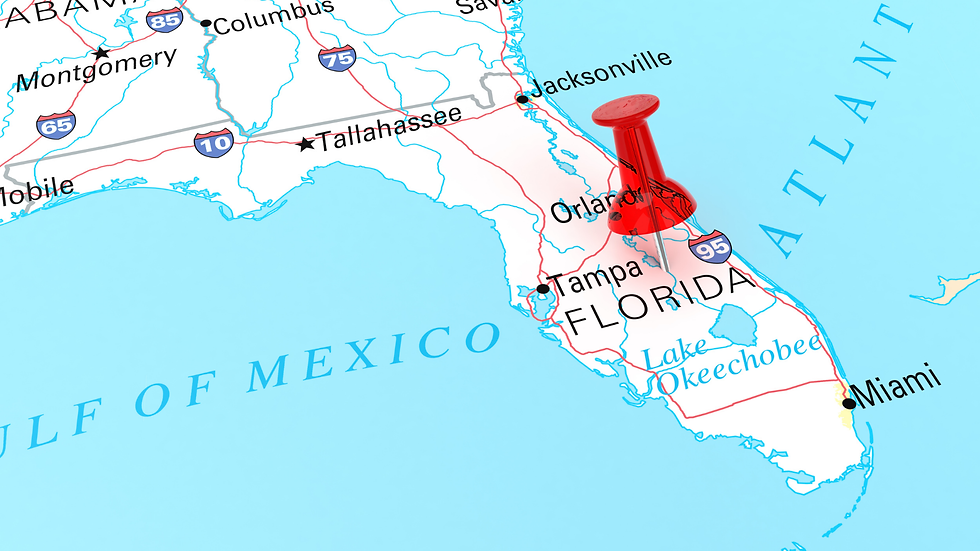
Orlando Realities That Make Prep Critical
Subfloor preparation isn’t just a technical step. In Central Florida, it’s a climate-driven necessity. The way homes are built here — combined with constant humidity — creates conditions that demand extra attention before new flooring goes down.
Concrete Slabs in Central Florida Homes
Most homes in Orlando and surrounding areas like Winter Park, Lake Mary, Clermont, and Kissimmee are built on concrete slab foundations. Unlike homes with basements or raised subfloors, everything sits directly on that slab. That means whatever condition the concrete is in will directly affect your new floors.
After tile removal, it’s common to find leftover thinset, adhesive ridges, surface cracks, or uneven patches. Even small high spots or dips can cause visible problems once hardwood, engineered wood, or LVP is installed. Planks may not lock properly. Adhesives may not bond evenly. Over time, that leads to movement, gaps, or premature wear.
That’s why professional floor installers in Orlando emphasize slab grinding, surface cleaning, and precise leveling before installation. The goal is simple: create a flat, stable surface that meets manufacturer tolerances. Without that step, even the best flooring materials won’t perform the way they should.
High Humidity & Moisture Concerns
Florida’s humidity doesn’t just affect the air — it affects what’s happening beneath your floors. Concrete slabs naturally hold and transmit moisture. In a humid climate like
Orlando’s, that moisture can move upward into wood-based flooring products if it’s not properly addressed.
Excess moisture increases the risk of:
Cupping or warping in hardwood
Adhesive breakdown under engineered flooring
Mold or mildew growth beneath the surface
Expansion and contraction that stresses seams and joints
This is why moisture testing isn’t optional. It’s a non-negotiable step before installing hardwood or engineered flooring over concrete. Professional installers use proper moisture meters and testing methods to determine whether mitigation is required.
When needed, vapor barriers or moisture control systems are installed to protect the floor long-term.
In Central Florida, skipping moisture testing isn’t a shortcut. It’s a gamble. Proper subfloor and slab preparation ensures your new floors stay flat, stable, and protected from the realities of our climate.

Key Steps in Professional Subfloor & Slab Preparation (What Pros Do)
Proper subfloor prep isn’t guesswork. It’s a structured process designed to create a flat, stable, and moisture-ready surface before any new flooring is installed. Here’s what that looks like when done correctly.
Clean and Remove Old Flooring
Before leveling or moisture testing can even begin, the existing flooring has to come out completely. That includes carpet, padding, tile, vinyl, hardwood, and all leftover adhesives, thinset, and glue residue.
In many Orlando homes, especially those built in the early 2000s, removing tile reveals hardened mortar ridges or uneven adhesive layers that were never meant to support wood flooring. If those materials aren’t fully removed, they create high spots that interfere with plank alignment and bonding.
Professional floor prep starts with thorough removal and surface cleaning. Mechanical scraping, grinding, and debris removal ensure the slab is exposed and ready for inspection. If you’re replacing existing materials, this step is critical. This guide explains why complete removal of existing flooring and adhesives is crucial before installation.
Skipping proper removal to “save time” often leads to uneven floors and long-term performance issues. Clean slab. Clean start.
Leveling Uneven Surfaces
Once the slab is exposed, the next step is evaluating flatness. Concrete is rarely perfectly level, especially after years of settling. Even minor dips or humps can cause hardwood or engineered flooring to flex, shift, or wear unevenly.
Professional installers measure the surface using long straightedges and laser tools to identify problem areas. Most flooring manufacturers require subfloors to be flat within approximately 1/8" to 3/16" over a 10-foot span. That tolerance isn’t arbitrary. It’s what allows planks to sit properly and adhesives to bond evenly.
High spots are mechanically ground down. Low areas are filled using professional self-leveling compounds designed for concrete slabs. These materials flow into dips and cure into a smooth, durable surface that supports long-term stability.
This is where experience matters. Proper mixing, application thickness, and curing time all impact performance. When done right, leveling creates a consistent surface that prevents movement, noise, and premature wear. You can read more about self-leveling and subfloor preparation here.
Leveling isn’t about perfection for appearance’s sake. It’s about protecting your investment and ensuring your new floors feel solid every step of the way.
Moisture Testing & Vapor Barriers
Moisture is one of the biggest hidden risks in Orlando subfloor preparation. Concrete slabs may look dry on the surface, but that doesn’t mean moisture isn’t moving through them. In Central Florida’s humid climate, vapor transmission from the ground up is common, especially in older homes.
Before any hardwood or engineered flooring is installed, professional installers perform moisture testing. One common method is the calcium chloride test, which measures the amount of moisture vapor being emitted from the slab. Other digital moisture meters may also be used depending on the flooring system.
Why does this matter? Because excess moisture trapped beneath flooring can lead to:
Cupping or warping in hardwood
Adhesive failure in glue-down installations
Mold growth under planks
Separation at seams
If moisture levels exceed manufacturer recommendations, vapor barriers or moisture mitigation systems are installed before flooring goes down. This extra step protects your investment long-term. Skipping moisture testing in Florida isn’t a minor oversight — it’s one of the most common causes of premature floor failure.
Proper subfloor prep in Orlando always includes moisture evaluation. It’s not optional. It’s foundational.

When Subfloor Prep Is Especially Important (Common Scenarios)
While every flooring project requires preparation, certain situations make professional slab prep even more critical.
Old Tile or Vinyl Removal
Removing tile or sheet vinyl often exposes a rough, uneven concrete surface underneath. Thinset ridges, adhesive buildup, small cracks, and chipped areas are extremely common after demolition.
Even if the slab “looks fine,” minor height variations can cause major problems once new flooring is installed. Locking systems may not sit properly. Glue-down floors may not bond evenly. Over time, that leads to movement and visible wear patterns.
This is why thorough removal and surface preparation are essential before moving forward with hardwood, laminate, or LVP. If you’re replacing existing materials, our floor and carpet removal service ensures the slab is properly exposed and prepped before leveling begins.
A clean slab isn’t cosmetic. It’s structural.

Renovations & Large Room Installations
The larger the space, the more important flatness becomes. In open-concept Orlando homes — especially in areas like Lake Nona, Windermere, and Winter Garden — longer spans increase the likelihood of subtle dips or humps in the slab.
Over a small room, minor imperfections may go unnoticed. Across a 20- or 30-foot run, those same inconsistencies can create noticeable flex, hollow spots, or separation.
Professional leveling addresses these variations before installation begins.
Straightedges and laser measurements identify low and high points, and corrective grinding or self-leveling compounds create a consistent surface across the entire footprint.
When installing new flooring in large spaces, subfloor prep isn’t just recommended. It’s what ensures the finished floor feels solid and performs evenly from one end of the room to the other.
Mixed Flooring Projects Require Precision Slab Leveling
Many Orlando homes use more than one flooring material. You’ll often see hardwood in main living areas, tile in kitchens, and LVP or laminate in bedrooms. While that creates visual contrast, it also increases the importance of professional subfloor preparation.
Each flooring material has its own thickness and installation method. Without precise concrete slab leveling, transitions between rooms can feel uneven, look misaligned, or create noticeable height differences at doorways. In large open-concept homes, even small slab inconsistencies can translate into visible movement across long spans.
Proper subfloor prep ensures smooth transitions, protects locking systems, and allows adhesives to bond evenly. When the slab is flat and properly prepared, every material performs the way it was designed to.

Cost & Value of Professional Subfloor Preparation in Orlando
Subfloor preparation is not where you cut corners. It’s also not a DIY step.
Concrete grinding, surface correction, moisture testing, and applying self-leveling compounds require specialized tools and experience. When these steps are rushed or skipped, problems show up later — not immediately.
Common failures tied to poor slab preparation include:
Hollow or soft spots underfoot
Plank separation or movement
Adhesive breakdown
Moisture-related warping or cupping
Industry standards from organizations like the National Wood Flooring Association emphasize flatness and moisture requirements before installation because long-term flooring performance depends on it.
When subfloor prep is handled correctly:
Floors feel solid and stable
Planks sit flush and aligned
Adhesives bond properly
Moisture risks are reduced
The lifespan of your flooring increases
Proper slab preparation isn’t an added cost. It’s protection for your investment.
And when existing slab issues are corrected early, you reduce the risk of major repairs in the future.
Ready to Get a Solid Foundation for New Floors?
If you’re installing hardwood, engineered flooring, or LVP in Orlando and surrounding areas — including Winter Park, Lake Mary, Kissimmee, Clermont, Sanford, and Oviedo — start with the surface underneath.
At Gio Wood Floors, subfloor prep and concrete slab leveling are built into every installation we complete. We evaluate moisture levels, correct uneven areas, and make sure your foundation is fully prepared before a single plank is installed.
If you’re planning new flooring, schedule a consultation and make sure your project starts the right way — from the ground up.


Comments